Heating upgrades: when are they necessary and why?
Upgrading your heating system saves money, extends the lifespan of your equipment and reduces gas emissions.
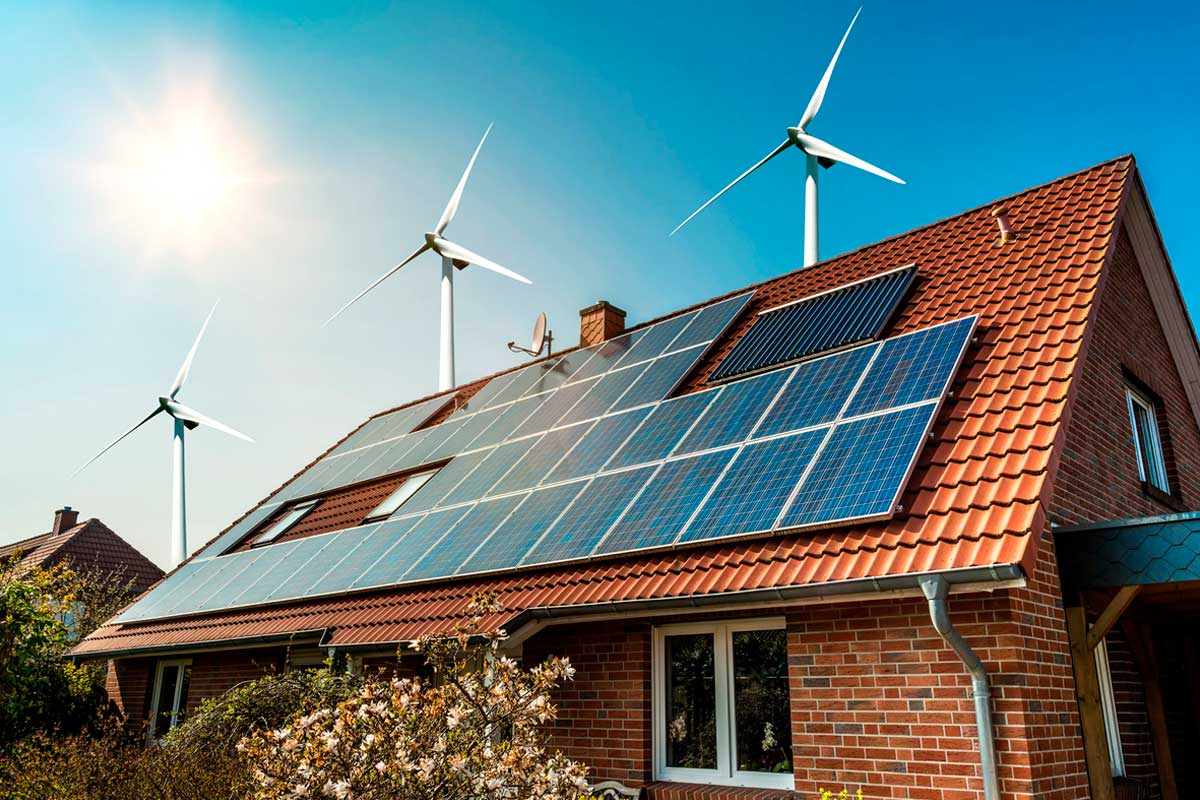
- Which heating systems are the most efficient, and which should you choose?
- Toward new energy sources, for a better world.
- Change is now!
Do you want to save on heating, extend the lifespan of your equipment and reduce polluting gas emissions into the atmosphere?
Many questions arise when it comes to upgrading your heating system. Indeed, there are many criteria to take into account before taking action!
In Switzerland, almost half of total energy consumption and CO2 emissions are attributable to heating. As a result, a comparison of the various types of energy is necessary in order to find the best balance between the comfort you want and the cost-effectiveness of the heating system. To this end, installing good thermal insulation and choosing an "eco-friendly" heating system makes it possible to reduce energy needs and therefore achieve significant savings on costs, as well as minimize the impact on the environment.
Which heating systems are the most efficient, and which should you choose?
Some heating systems are among the most environmentally friendly, such as: the pellet boiler, heat pumps, solar panels and direct connection to a district heating network. To choose the right system, you need to compare the energy costs and the environmental impact involved. A comparison tool in the form of a table has been designed to identify the most advantageous heating system for your property.
You can download it at the following address: https://www.wwf.ch/fr/nos-objectifs/assainissement-des-batiments-et-systemes-de-chauffage
Toward new energy sources, for a better world.
Many cantons grant subsidies to make this kind of upgrade easier to carry out. In 2018, the Vaud subsidy program for energy renovations in the building sector amounts to 37 million francs, which is 5 million more than in 2017. The canton of Vaud therefore has a substantial budget to cover part of the costs incurred by owners wishing to renovate their buildings to improve energy performance.
Here is an overview of the various subsidies granted depending on the heating system chosen:
• Wood heating in the form of logs, pellets or wood chips: between 4,000 and 12,000 CHF. • Heat pump: between 4,000 and 15,000 CHF. • Solar panels: between 4,000 and 8,000 CHF.
However, before embarking on heavy investments, it is essential to weigh up the advantages and disadvantages of each system.
Change is now!
Enormous progress has been made in heating technology. Nowadays, a home can be entirely self-sufficient. Indeed, energy is drawn directly from the environment (sun, earth, air and water).
The advantage of so-called "renewable" energy sources is that the price remains fairly constant over the years, unlike fossil fuels whose prices depend on economic fluctuations, such as oil or natural gas.
If you, too, want to move to the new ecological standards when renovating your heating system, you will benefit fourfold: your heating expenses will drop appreciably; in many cantons, you will even obtain subsidies; you will make your personal contribution to protecting the environment; and finally you will increase your home's value on the market.
Comparison of the costs and ecological performance of heating systems
OIL HEATING
Total annual costs:
3,700 CHF
Annual climate impact:
4,680 KG CO2
Remarks:
• 100% imported energy • The tank takes up space
GAS HEATING
Total annual costs:
3,000 CHF
Annual climate impact:
3,650 KG CO2
Remarks:
• 100% imported energy • Only if a network exists • Slightly better footprint with biogas
SOLAR COLLECTORS AND GAS
Total annual costs:
3,300 CHF
Annual climate impact:
3,190 KG CO2
Remarks:
• Solar energy is generally a supplement to oil, gas or pellets. • The chart illustrates an example combined with gas heating
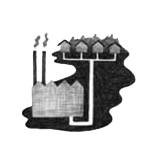
DISTRICT HEATING
Total annual costs:
WIDE RANGE
Annual climate impact:
1,560 KG CO2
Remarks:
• Only with a district heating network • The table provides Swiss average values • The values are better with district heating and residual heat from waste incineration.
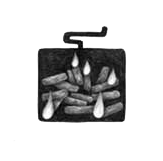
WOOD PELLET HEATING
Total annual costs:
3,800 CHF
Annual climate impact:
710 KG CO2
Remarks:
• The silo takes up space • The table shows the values with a particulate filter for minimal fine-particle emissions
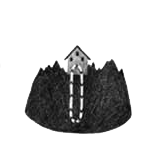
HEAT PUMP WITH GEOTHERMAL PROBE
Total annual costs:
2,800 CHF
Annual climate impact:
380 KG CO2
Remarks:
• Significant differences in the climate footprint depending on the quality of the electricity (green, coal/nuclear mix) • The chart shows the emissions with certified green electricity
Get a free valuation of your property or talk it through with our team, in Lausanne and on the Vaud Riviera. No obligation.

Real estate received as a gift and then resold on the Vaud Riviera: how the reference value is calculated for the capital gains tax

Buying a Tenant-Occupied Property: What Buyers Don't Always Realize Before Signing
Easements and Neighbor Law on the Vaud Riviera: What Your Purchase Agreement Does Not Always Make Clear