Electric heating in Vaud: the announced phase-out
The end of resistance electric heating in the canton of Vaud: deadlines, obligations and replacement solutions for owners.
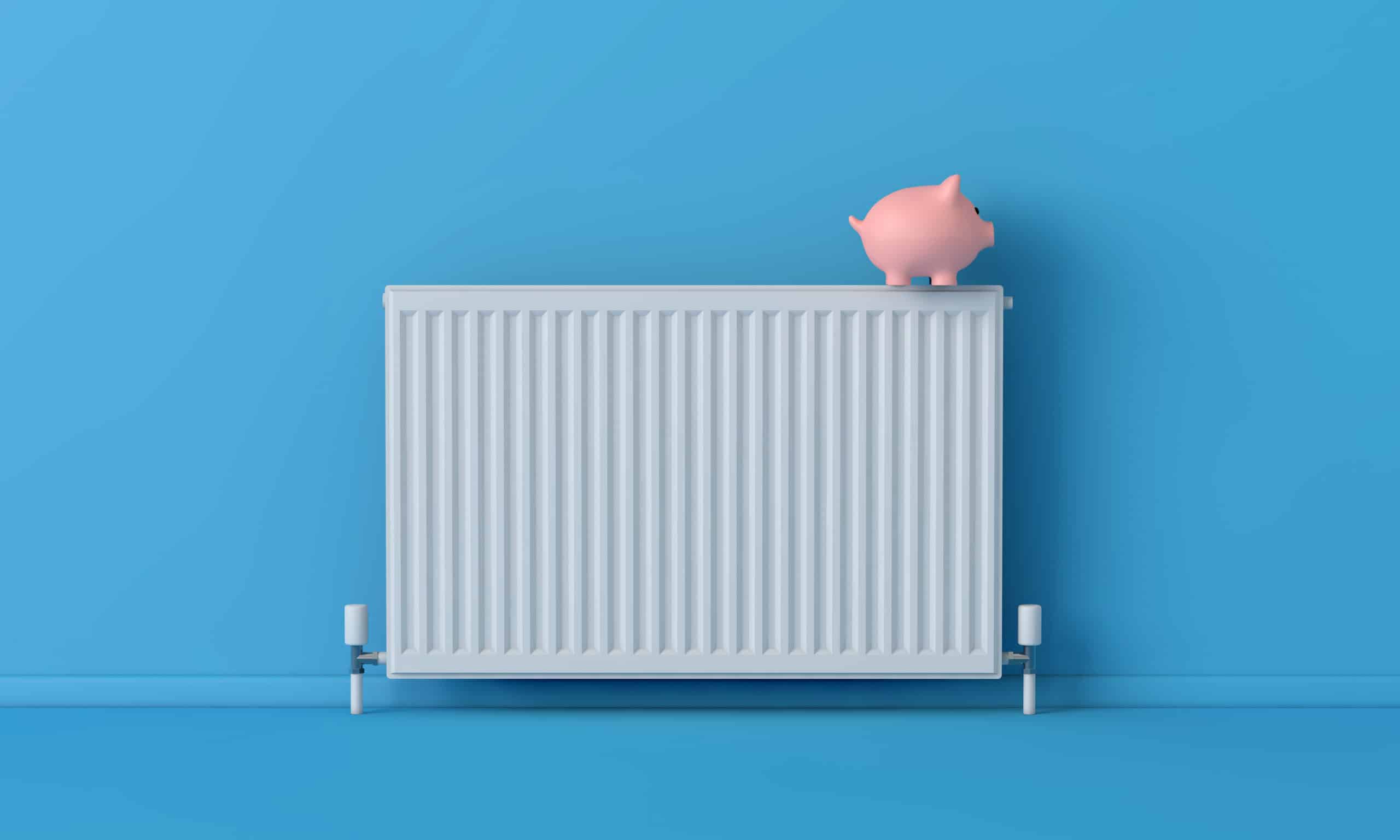
- The end of resistance electric heating in the canton of Vaud: what owners need to know
- General context
- Who is concerned?

The end of resistance electric heating in the canton of Vaud: what owners need to know
Published on 06.19.2025
General context
The Decree on the upgrading of electric heating and water heaters (DACCE) aims to improve the canton's energy efficiency by reducing electricity consumption in winter. Objective: replace the 22,000 electric installations concerned with sustainable systems, in older buildings, villas, condominiums or collective buildings. Final deadline: January 1, 2033
Who is concerned?
All owners (private individuals, condominiums, agencies, municipalities, etc.) of a building located in the canton of Vaud. If the building has one or more direct-resistance electric heating systems or water heaters, replacing them is mandatory.
Concerned are:
- Direct-resistance heating systems (convectors, electric radiators, etc.)
- Storage water heaters without a heat pump
- Centralized or decentralized systems
Important deadlines
June 30, 2025 All owners must declare their electric installations via an official online form
January 1, 2033 All systems must be replaced or justified by a valid exemption
Pending appeal and suspended directive
An appeal was filed in January 2025, which suspended the directive implementing the decree.
- The decree remains in force
- Declaring the installations before June 30, 2025 is mandatory
- The official form remains the only valid procedure
What steps should I take as an owner?
1. Check your system
- Does your building have resistance electric heating?
Does your building have resistance electric heating?
- Does your water heater run on electricity alone?
Does your water heater run on electricity alone?
2. Make the declaration before June 30, 2025
- Owners must fill in an official online form, indicating their contact details, the type of installation concerned as well as the number of units to be replaced.
3. Consult an approved professional
- Architect, heating engineer, CECB advisor
- They will help you draw up a replacement plan
4. Apply for subsidies
- Before committing to any works, apply for subsidies on the Buildings Program website
5. Plan the works before 2033
- You have until the end of 2032 to carry out the replacement
You have until the end of 2032 to carry out the replacement
- But beware: the deadlines for subsidy applications, obtaining quotes or planning are long, so do not delay!
But beware: the deadlines for subsidy applications, obtaining quotes or planning are long, so do not delay!
What steps should I take as an owner?
- Download the official form
- Fill in the required fields (address, type of installation, number of units, meter number or EWID)
- Send by email in Excel format only: chauffage-electriqu@vd.ch
- Scanned files or files in the wrong format will not be taken into account.
- For condominiums: the declaration can be made individually or by the administrator via the tab provided in the file.
What are the replacement alternatives?
The canton recommends several solutions compatible with the current energy-efficiency requirements:
- Heat pump: recommended, subsidized, efficient
- Pellet or wood boiler: renewable solution
- District heating: ideal in urban areas
- Photovoltaic: subject to conditions (25% of consumption offset)
- Improved insulation: may give rise to an exemption
For water heaters
- Thermodynamic water heater (integrated heat pump)
- Solar thermal panels
What financial support is available?
The canton and the Confederation actively support owners through attractive subsidies: Buildings Program Vaud:
- Up to CHF 10,000 or more depending on the solution chosen
- Bonus if replacing an electric heating system
- Support that can be combined with the federal program
Public Utility Fund
- Specific support for low-income owners
- Conditions assessed on a case-by-case basis
Subsidized energy audit
- To obtain tailored advice before works
And if I do nothing?
Without a declaration or replacement:
- You expose yourself to administrative fines
You expose yourself to administrative fines
- In the event of an inspection, immediate compliance could be required
In the event of an inspection, immediate compliance could be required
- In the event of a sale of the property, the obligation is transferred to the new owner
In the event of a sale of the property, the obligation is transferred to the new owner
Special cases: exemptions
Certain situations may justify an exemption, notably:
- Listed or protected building
- Difficult financial situation
- Very good energy efficiency (CECB A or B)
- Up to 5 years if average consumption (CECB D or E)
- Provisional exemption if low consumption (CECB A, B, C), renewed every 3 years
Conclusion
Feel free to follow us on Instagram to discover even more inspiring content, local news and real-estate favorites!
For any questions or requests for further information, do not hesitate to contact us!
Get a free valuation of your property or talk it through with our team, in Lausanne and on the Vaud Riviera. No obligation.

Real estate received as a gift and then resold on the Vaud Riviera: how the reference value is calculated for the capital gains tax

Buying a Tenant-Occupied Property: What Buyers Don't Always Realize Before Signing
Easements and Neighbor Law on the Vaud Riviera: What Your Purchase Agreement Does Not Always Make Clear